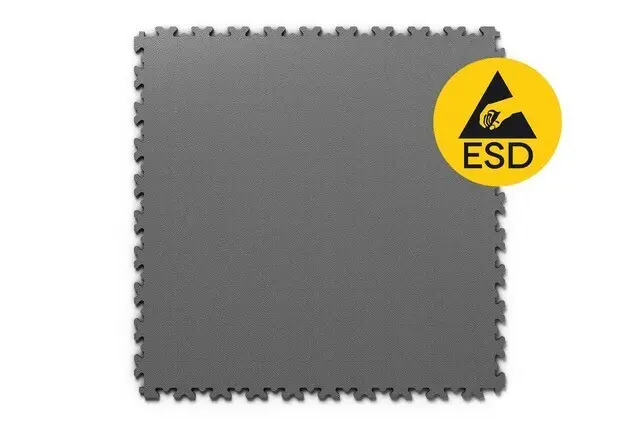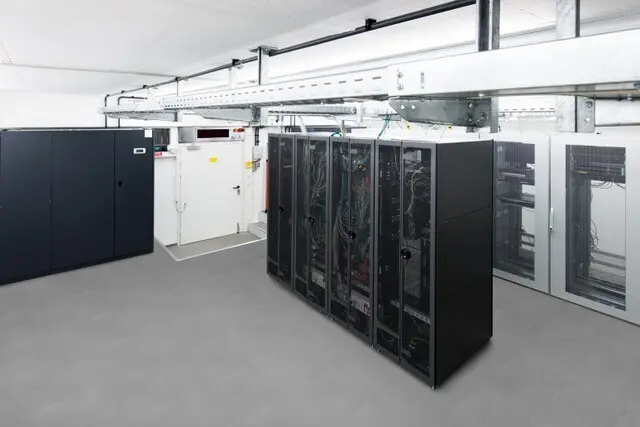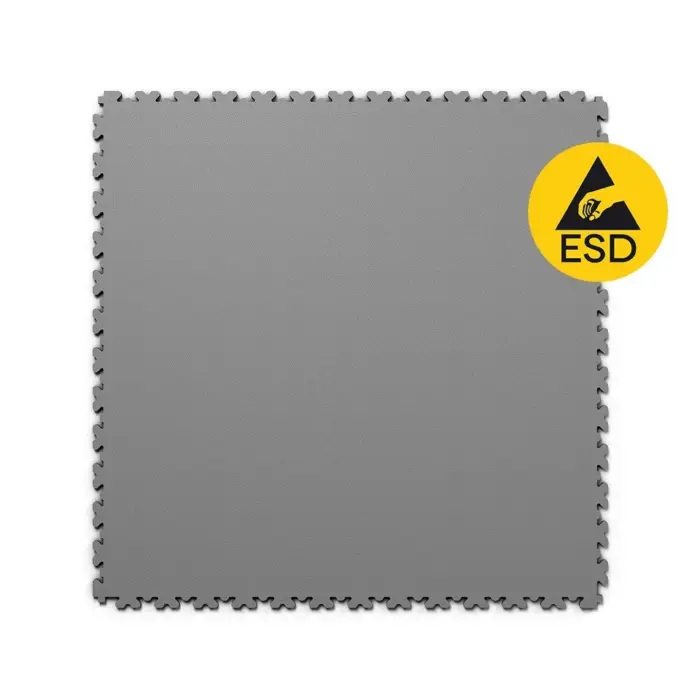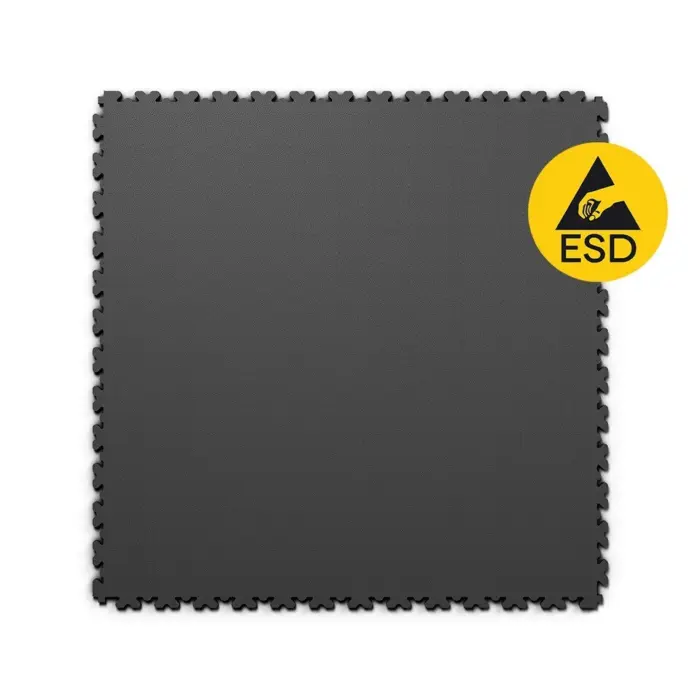
ESD/anti-static areas

Reliable protection against static electricity

ESD FLOORING & ESD FLOOR TILES 

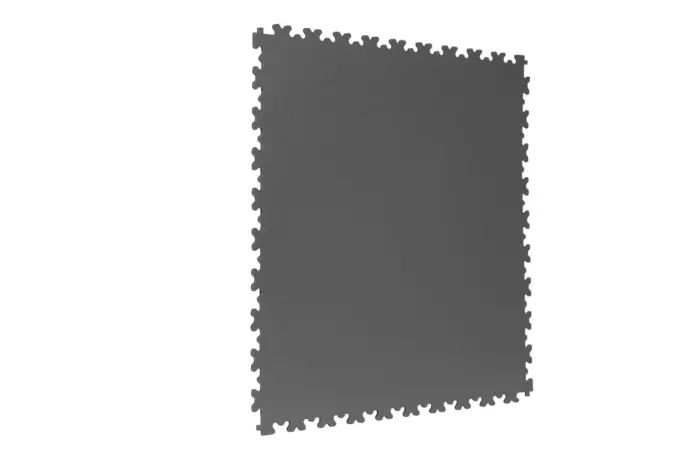
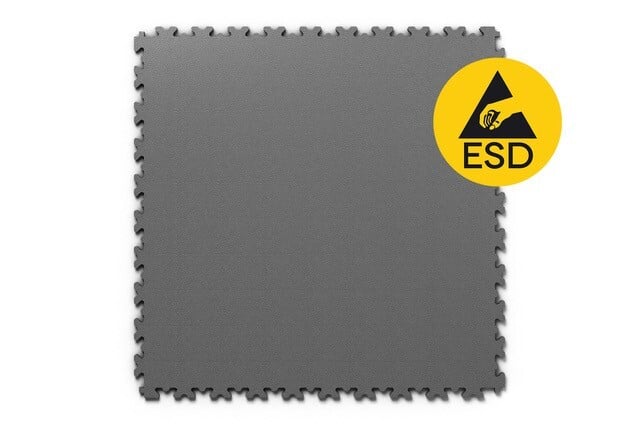
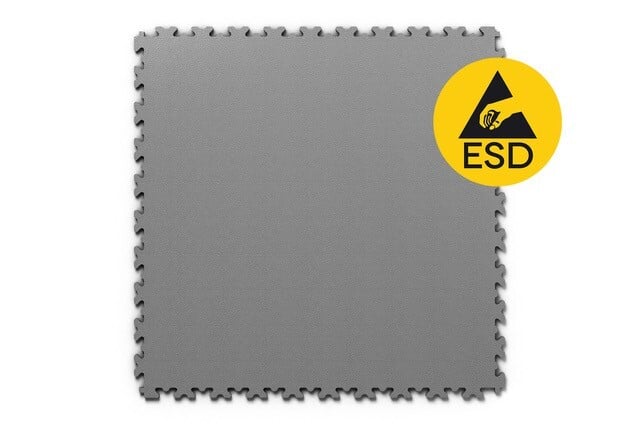
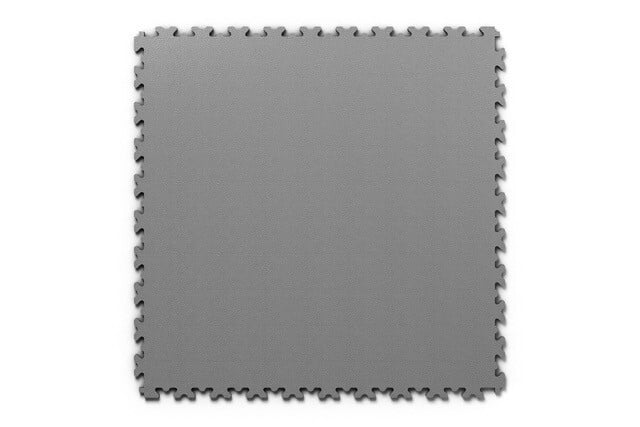
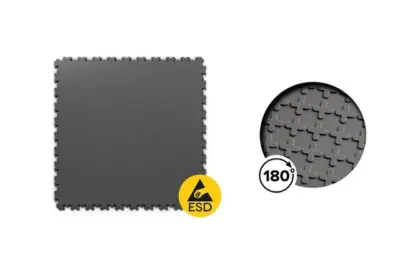
Protect your machines and equipment with our high-quality ESD floor tiles. An ESD floor is one of the most important types of flooring in sensitive work environments.

ESD floors made of PVC provide effective protection wherever electrostatic charges can build up. When you purchase a professional ESD floor, you’re investing in quality, safety, and durability.

What is an ESD floor?

An ESD floor is a specially designed floor covering that safely dissipates electrostatic discharges, thereby protecting sensitive electronic devices and components. The abbreviation ESD stands for “Electro Static Discharge.” Even very low voltages can damage sensitive electronic components. That is why conductive floor coverings are indispensable in many technical and industrial settings.

Features and Benefits

The controlled conductivity of our ESD click tiles prevents harmful discharges and sustainably enhances operational safety. As an experienced partner for industrial flooring, we also support you with other antistatic solutions, such as ESD panels.

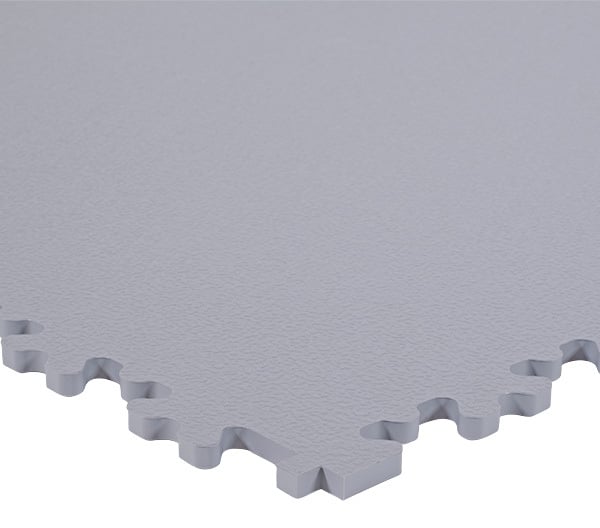
A key advantage of our ESD floor tiles is their quick and clean snap-together installation. The tiles can be installed on load-bearing subfloors such as concrete or wood without the need for adhesives or complex fastening methods. This helps avoid downtime and ensures that processes remain consistently efficient.

The most important properties of our ESD floors:

  • Excellent conductivity
  • Can be installed on standard hard floors (wood, concrete, etc.)
  • No gluing or fastening required
  • Easy maintenance and cleaning
  • Durable PVC in various thicknesses and widths
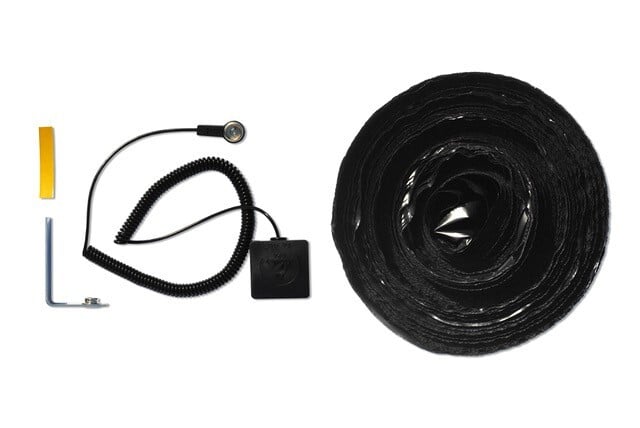
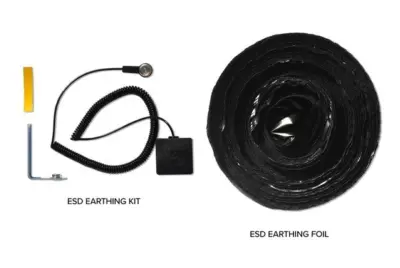
  • Grounding kit and grounding tape are required and sold separately
  • Protection compliant with DIN EN 61340-5-1
  • Installation without interrupting production thanks to a plug-in system

For which rooms is an ESD floor suitable?

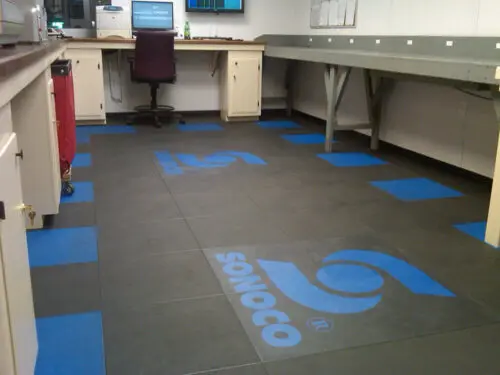
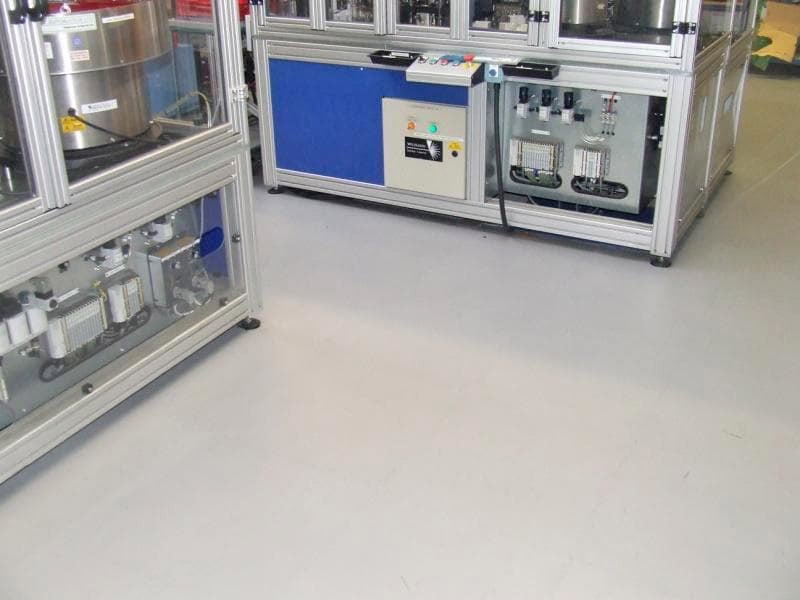
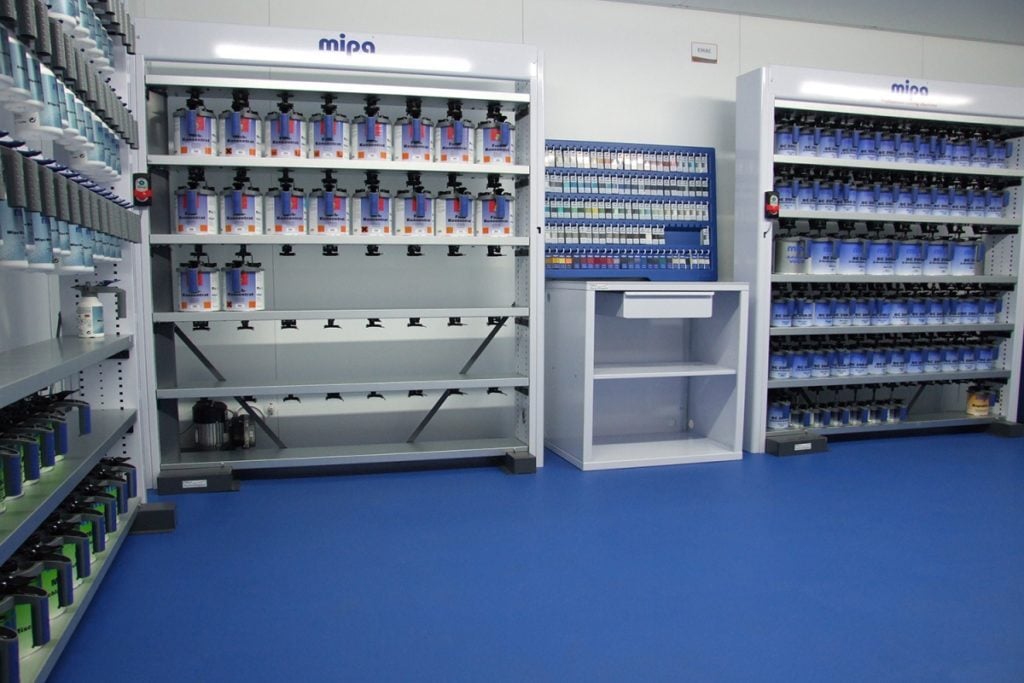
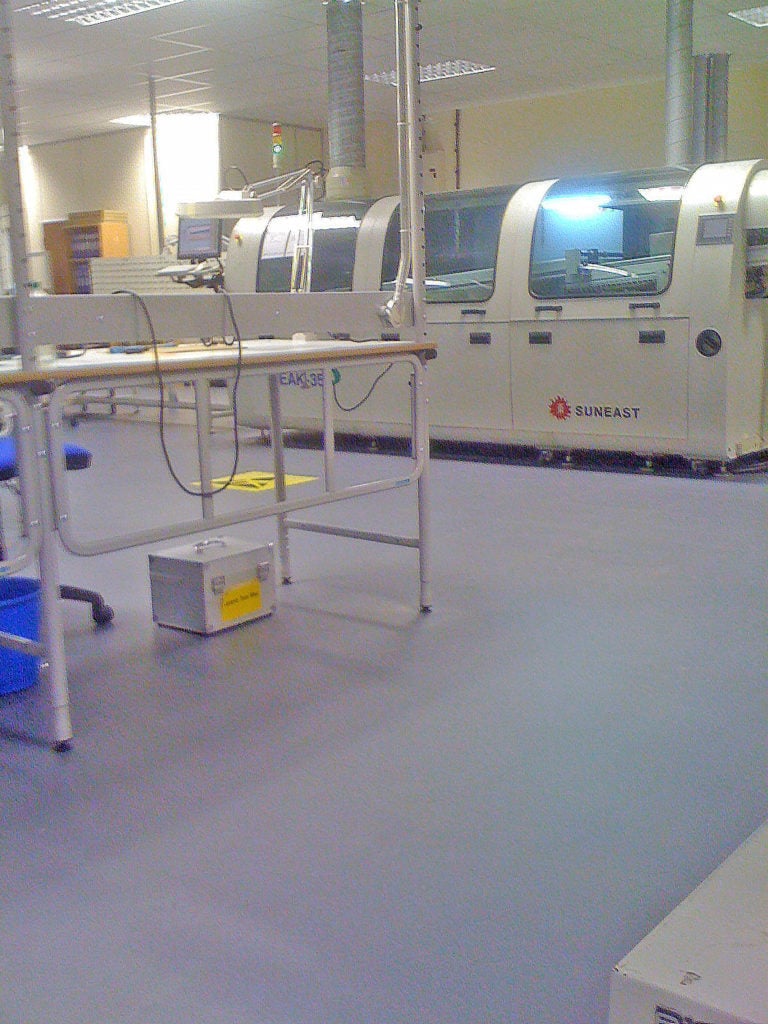
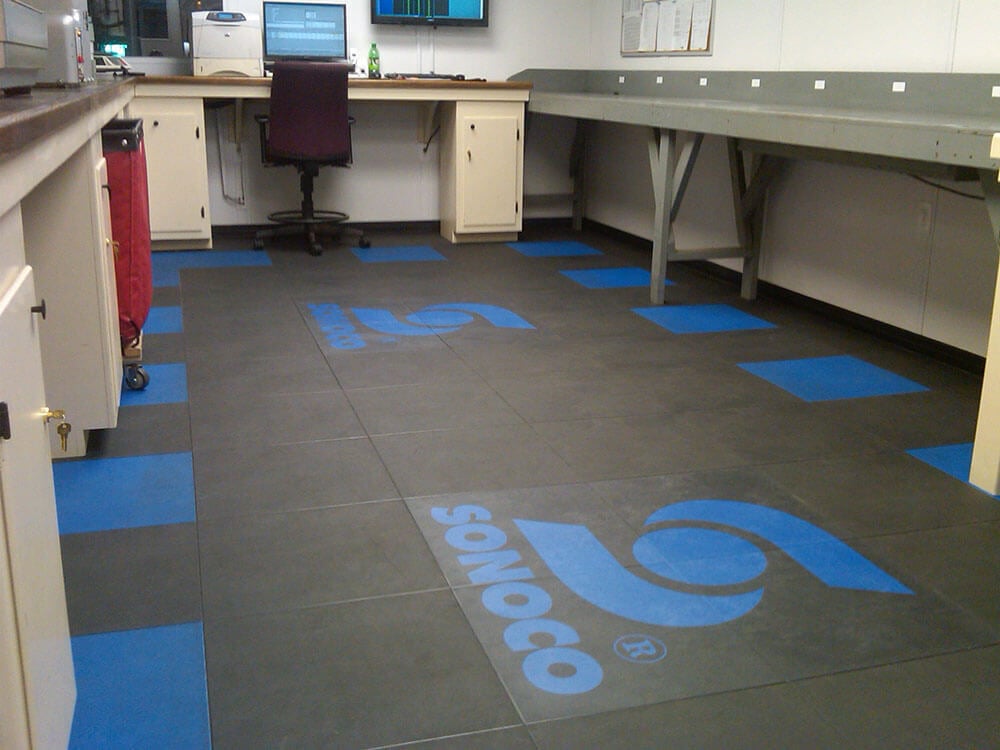
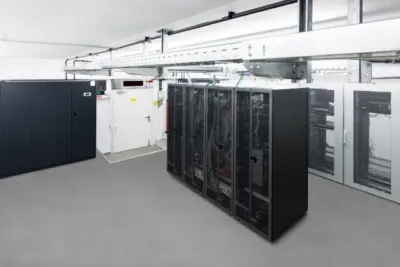
These floor coverings are primarily used in laboratories, data centers, the electronics industry, the automotive sector, and production facilities. Typical applications include workstations where sensitive components or equipment are handled. Storage areas, assembly areas, and production facilities also benefit from the high durability and ease of maintenance of these floors. In a typical ESD workstation, critical components must not be exposed to electrostatic discharge, making a reliable ESD flooring system indispensable.

Advantages of ESD Floor Tiles

  • Antistatic and therefore conductive
  • Reduced wear and tear
  • Low maintenance requirements
  • Low lifetime operating costs
  • Can be re-installed
  • High safety due to excellent slip resistance
  • ESD flooring with an attractive, modern look
  • Chemical-resistant
  • Reduces dust and noise
  • Exceptional durability—compatible with forklifts and pallet jacks
  • Certified by the Fraunhofer Institute

The conductive flooring meets all relevant requirements for industrial applications and is therefore ideal for demanding work environments.

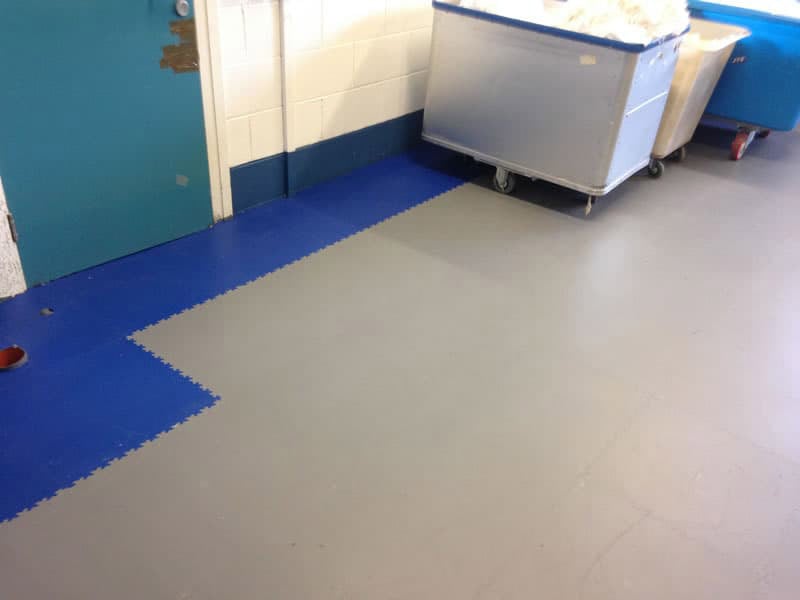
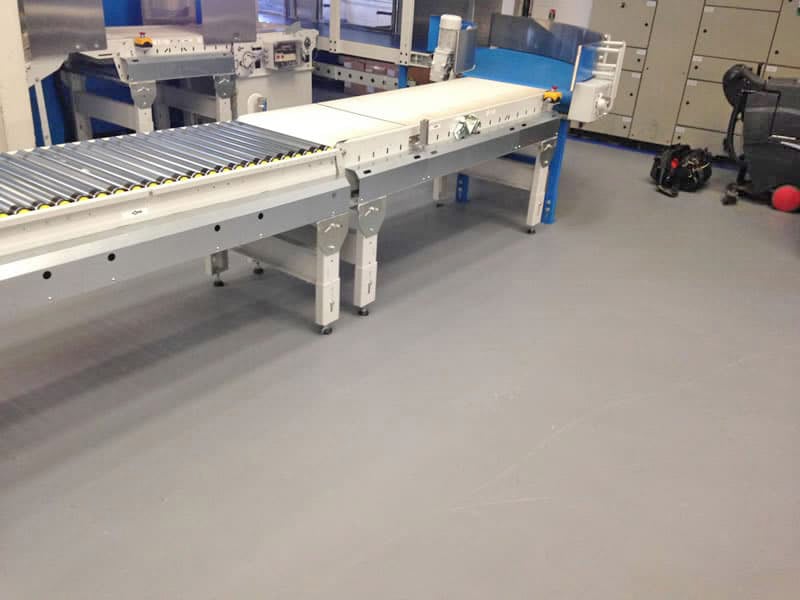
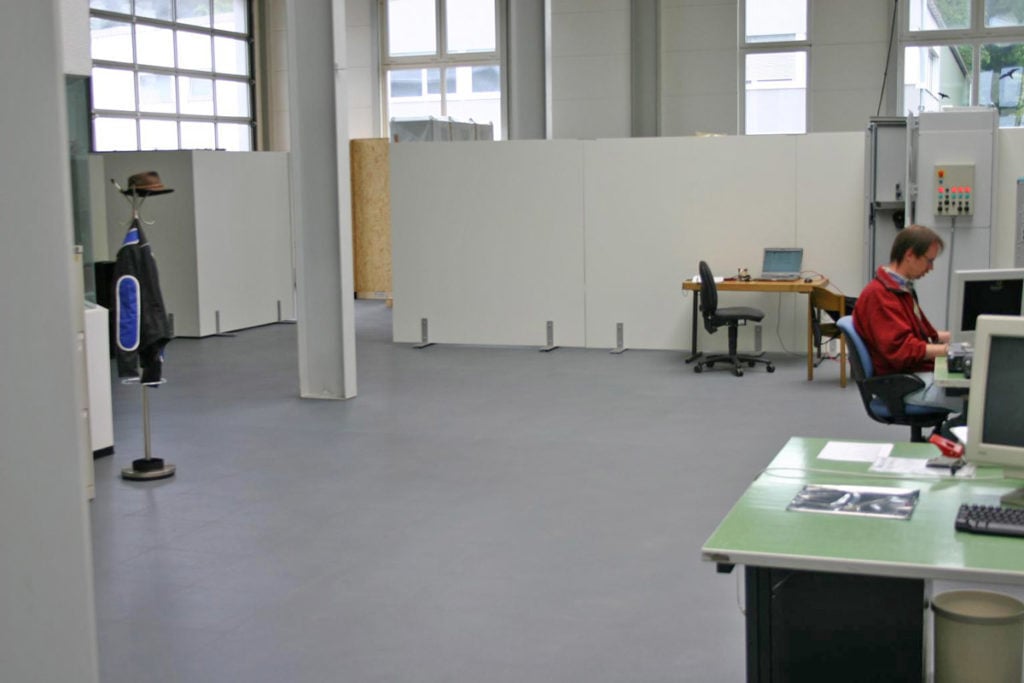
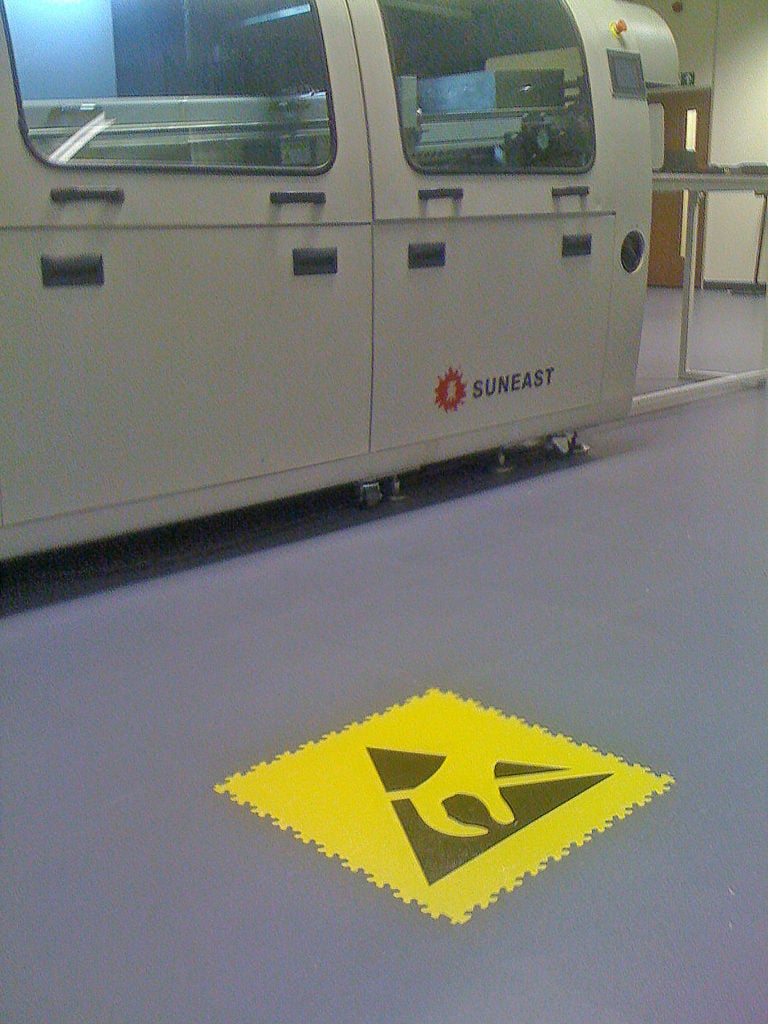
Application examples

Convince yourself of the advantages
of PVC as tiles and panels


Antistatic vs. ESD-Conductive

Antistatic flooring reduces electrostatic charge, while ESD flooring specifically dissipates existing charges. For long-term protection of sensitive equipment and products, conductive ESD flooring is the better choice.

Electrostatic discharges pose a serious hazard, particularly during the manufacture and assembly of electronic components. Even discharges below 100 volts—which are imperceptible to humans—can cause permanent damage to components.

Common Mistakes in Maintenance and Use

Mistakes in cleaning and maintenance can impair the floor’s functionality. Avoid harsh cleaning agents and ensure that the floor’s conductivity is checked regularly. Floor mats, tiles, and other flooring systems should be inspected regularly to ensure proper charge dissipation.

Substrate Requirements

For the flooring to function optimally, the substrate must be dry, clean, and level. Uneven surfaces or moisture can interfere with the dissipation of electrostatic charges. Standard substrates such as concrete or wood are ideal.

How does electrostatic charge build up?

Electrostatic charge often builds up due to friction, for example, when walking or moving materials. These charges can discharge suddenly and damage electronic components. A professional ESD PVC floor significantly reduces this risk and ensures safe dissipation.

Does an ESD floor need to be grounded?

Yes. Proper grounding is necessary for ESD tiles to be fully effective. Electrostatic charges are reliably dissipated via a grounding strap and grounding kit. This is the only way ESD floor tiles can meet all technical requirements.

What to Look for When Purchasing an ESD Floor

Look for certified conductivity values, appropriate material thicknesses, suitable dimensions, and a coordinated overall system consisting of floor coverings and complementary mats or accessories. Expert advice from terramondi will help you select the optimal flooring system for your application.

Our ESD floor tiles are not only functionally impressive but also meet aesthetic requirements. Thanks to a diverse color palette, the flooring can be perfectly adapted to a variety of applications.

In addition, ESD systems offer high resistance to heavy loads.

If you have any further questions about antistatic flooring or click tiles, please feel free to contact us for detailed advice. Our experts will be happy to analyze your current situation and develop a customized ESD protection system based on their findings.

More information about ESD:

What is ESD, and what is the purpose of ESD flooring?

Thomas Geiken
Thomas Geiken

Sales

YOU HAVE QUESTIONS

We are here for you

Our competent team will be happy to advise you on your project and offer you support with your purchase. Please feel free to contact us without obligation.

Mon - Thu 8 a.m. - 5 p.m. / Fri 8 a.m. - 3 p.m.

+49 (0) 2351 78 70 750        info@castimondi.de