Concrete floor, cement floor, epoxy, anhydrite, paint, screed, filler... Do you know the differences? Are you familiar with flooring terminology? To make things easier, some of them have multiple names. So let's look at it from the ground up.
When someone says concrete floor, they usually mean the very bottom layer that is on the ground. This is very thick, it can be 20 cm, and it is simply the raw substrate. Pay particular attention to the quality of this base concrete because it is usually made during construction and will last forever. Similar to the brick wall, which is subsequently plastered, the concrete floor also receives additional cement or other top layers.
Even in subsequent renovations, only this top layer is considered. It can be sanded and replaced, primed and painted, cracks repaired, dirt vacuumed, etc. It all depends on the top material chosen. Renovation is also possible by quickly laying the Terramondi tiles. The Terramondi PVC tiles can be laid on concrete floors of various quality.
Many top layers are available to choose from
For example, cement, epoxy, anhydrite flooring or even a layer of filler can be applied to the base concrete. You often see epoxy flooring under the name cast resin flooring and it has been used more and more recently. It is suitable for industrial companies, but also for garages and apartments (it conducts heat well, so also for bathrooms), but it is a bit expensive. Anhydrite floors also have good thermal conductivity, but they are not particularly suitable for bathrooms because they cannot withstand constant moisture. We'll look at these floors in detail in the next article.
And cement floors? Let's take a look at them now.
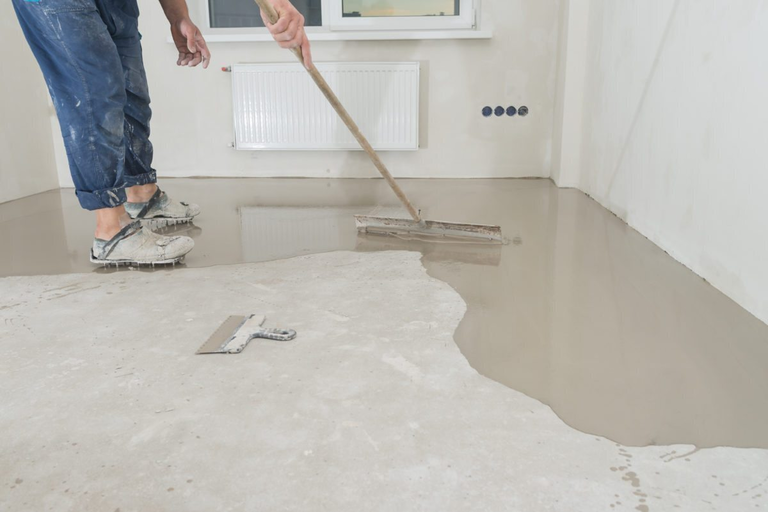
Repairing a concrete floor - self-leveling filler
What are cement floors?
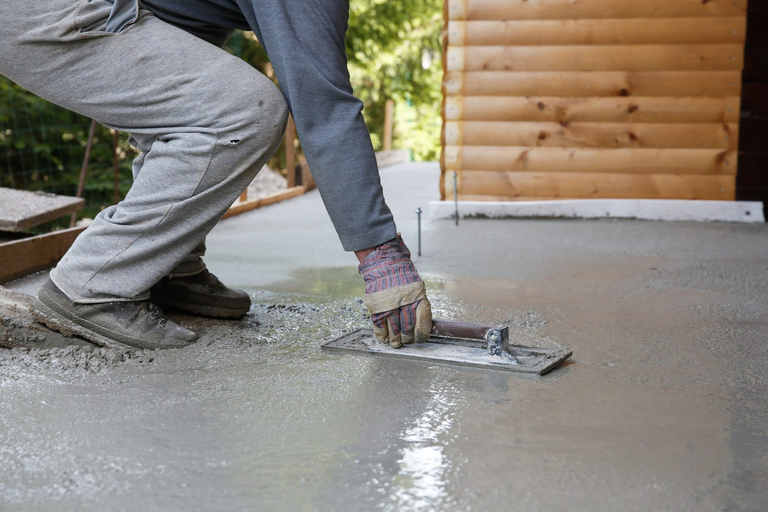
Cement floors also include poured concrete floors, self-leveling fillers/mixtures, screeds and Scatter floors. Even if it doesn't seem like it at first glance, all of these contain cement. As has already been said, they are used as a top layer of the concrete slab and are therefore quite thin - usually 0.5 - 1 cm.
What makes them different?
Cast cement floor (it is also called concrete floor, but contains cement, hence this name) is suitable for households, offices, shower corners and industry, it also resists moisture. It conducts heat and creates a perfectly straight surface.
Self-leveling cement fillers (there are also anhydrite and epoxy fillers) are good choices for DIYers who want to repair their floors themselves. They can do a lot, even out old floors and cover cracks. Since applying the concrete filler is also quite easy, it is one of the most common solutions. It is sold as a powder, mixed with water. The resulting mass is applied to the floor and then dries out. Inexperienced do-it-yourselfers are usually amazed at how quickly the concrete filler dries.
Cement coatings and screed are applied in a similar way. Screed is mixed with water, but the result is a stiffer mixture. The filler runs almost alone on the floor, not the screed. A coat of paint on the concrete is the thinnest of all of these options for the concrete floor. It is a thin layer that helps protect the floor from moisture, mechanical wear, etc. But protecting it is only a temporary solution for a season or two. It is not particularly suitable for surface leveling.
A special category is scattered floors. This is the only one mentioned above that has to be applied to the fresh concrete before it hardens. It is a powder mixture that contains cement, chemical additives and other fillers. This mixture is poured into the fresh concrete for greater resistance to mechanical damage and easier maintenance.
What is best for your needs?
It depends on what you want to achieve. If you want to improve the properties of the concrete floor that is not there yet, you can consider a gritting mix. If you want to repair an older floor for home use, concrete coatings and screeds serve you best. LetPlease consult a specialist. At least now you will understand what he is talking about when he bombards you with technical appointments.
Concrete flooring
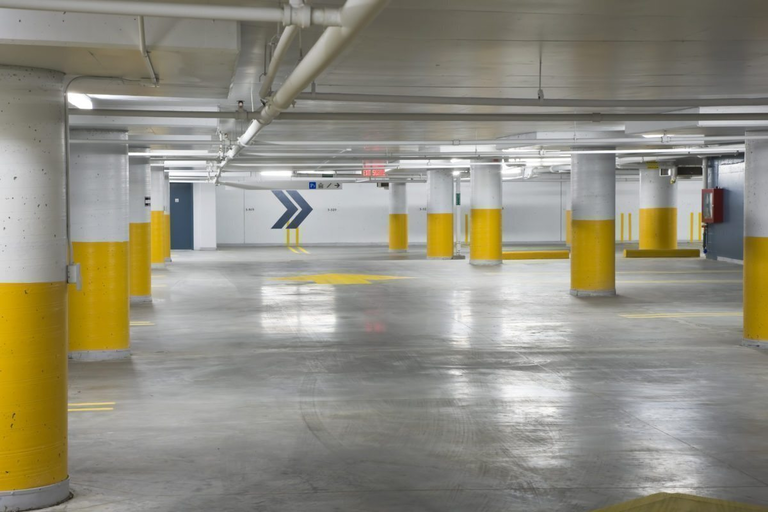
Concrete examples at the end. Thin-layer cast screed or self-leveling filler are suitable for repairs to industrial floors. The Terramondi plastic tiles also offer a quick renovation. Spreading mixtures can then also be used for new floors.
Latest news
14.09.2026
Floor laying from terramondi – now with even more service & flexibility!