The Right Garage Floor for Electric Cars
- How to Choose the Right Floor for an Electric Car Garage
If you own an electric car, you should also consider the floor when designing your garage. Due to the additional weight of the battery, regular charging, and everyday dirt and grime, the flooring must meet a variety of requirements. A durable and low-maintenance surface provides a good foundation for this.
Why the Garage Floor Matters for Electric Cars
Moisture, dirt, and road salt still find their way into the garage, even with electric vehicles. In addition, electric cars often weigh more than comparable vehicles with internal combustion engines due to their batteries. At the same time, having an in-garage charging station integrates the garage more closely into daily life.
Heavier Cars and New Maintenance Requirements
The garage floor must withstand the vehicle’s weight and the regular stress caused by the tires. Especially with older concrete surfaces, dust, cracks, and unevenness can make the space difficult to use.
A robust, slip-resistant, and easy-to-clean surface ensures greater comfort. Different floor colors also allow for a visual separation of the parking space, charging area, and walkways.
The Weight of Electric Cars and Continuous Loading
Due to their batteries, electric cars often have a higher total weight. Since vehicles are usually parked in the same spot for extended periods, this results in recurring stress on the tire contact patches.
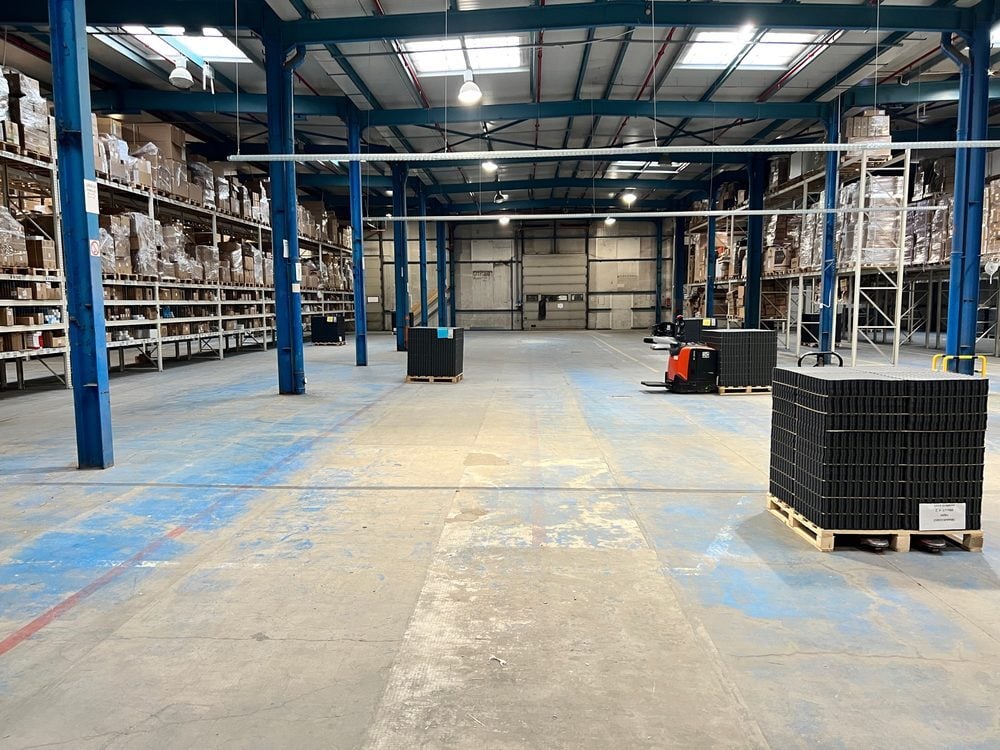
When Old Concrete Is No Longer Sufficient
An intact concrete floor can generally be suitable for electric vehicles. However, older garages often exhibit cracks, spalling, or increasing dust accumulation.
Additional factors such as moisture, temperature fluctuations, and road salt can exacerbate existing damage. Therefore, it’s worth inspecting the condition of the subfloor before renovating.
What to Look for When Making Your Selection
When choosing the right garage floor, the following characteristics are particularly important:
- High load-bearing capacity and mechanical durability
- A level and stable subfloor
- Suitability for regular tire loads
- A low-maintenance surface that is easy to clean
- Slip resistance in the parking and charging areas
In addition to aesthetics, functionality should be the top priority. A suitable flooring solution must meet daily demands over the long term.
Charging in the Garage and the Area Around the Car
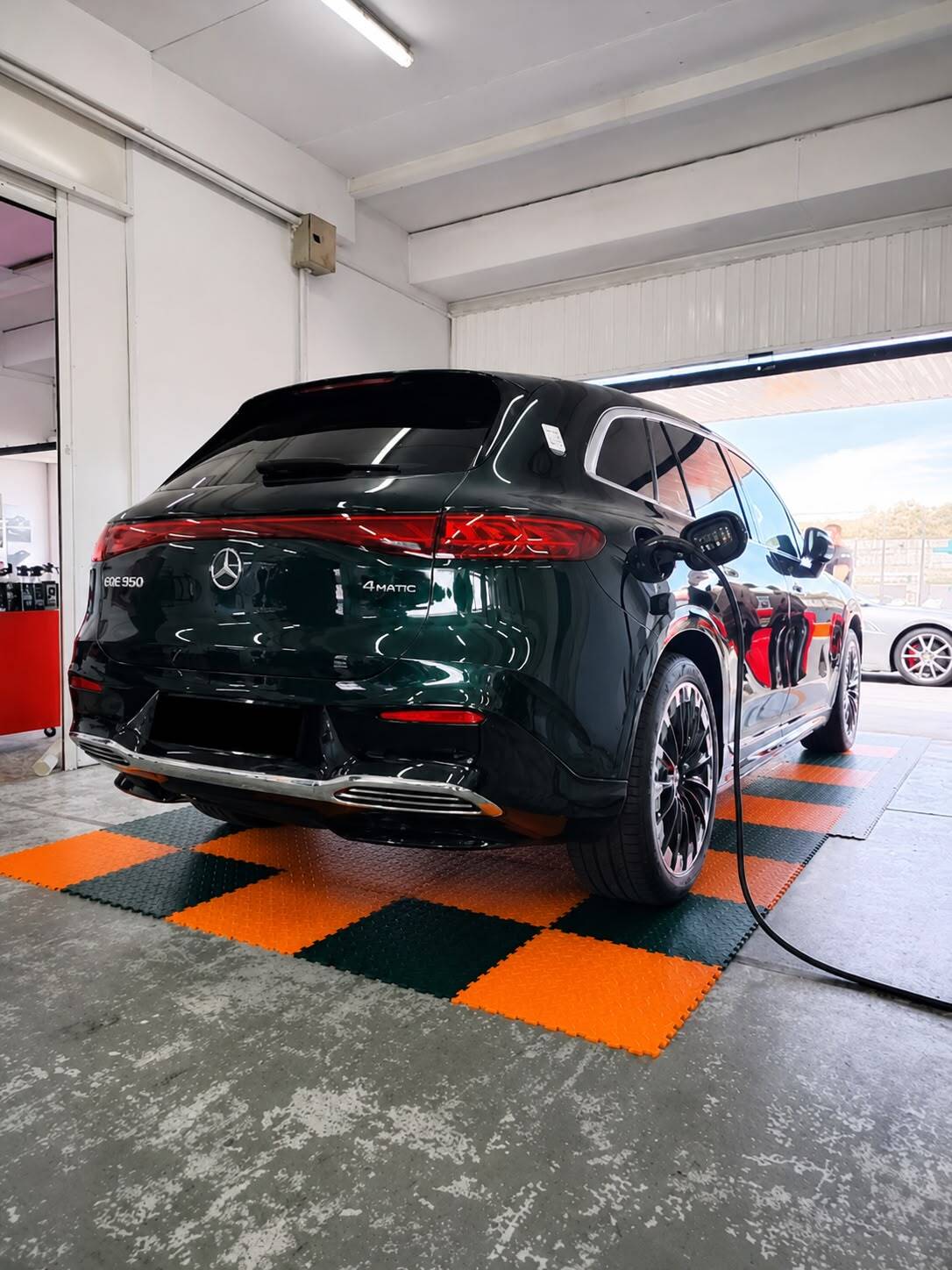
Having your own wallbox makes it convenient to charge at home. To ensure that the garage can be used safely and comfortably, not only should the charging station itself be designed thoughtfully, but the surrounding area should be as well.
Moving Safely Around the Electric Car
When connecting and disconnecting the charging cable, you regularly move around the vehicle. A level, slip-resistant, and easy-to-maintain floor surface is therefore particularly important.
Water buildup and charging cables lying loose on the ground should be avoided. A well-planned charging area makes daily use easier and reduces potential tripping hazards.
Smart Solutions and Organization in the Garage
A well-thought-out layout makes the garage more organized. Charging cables should be routed so that they do not cross frequently used walkways.
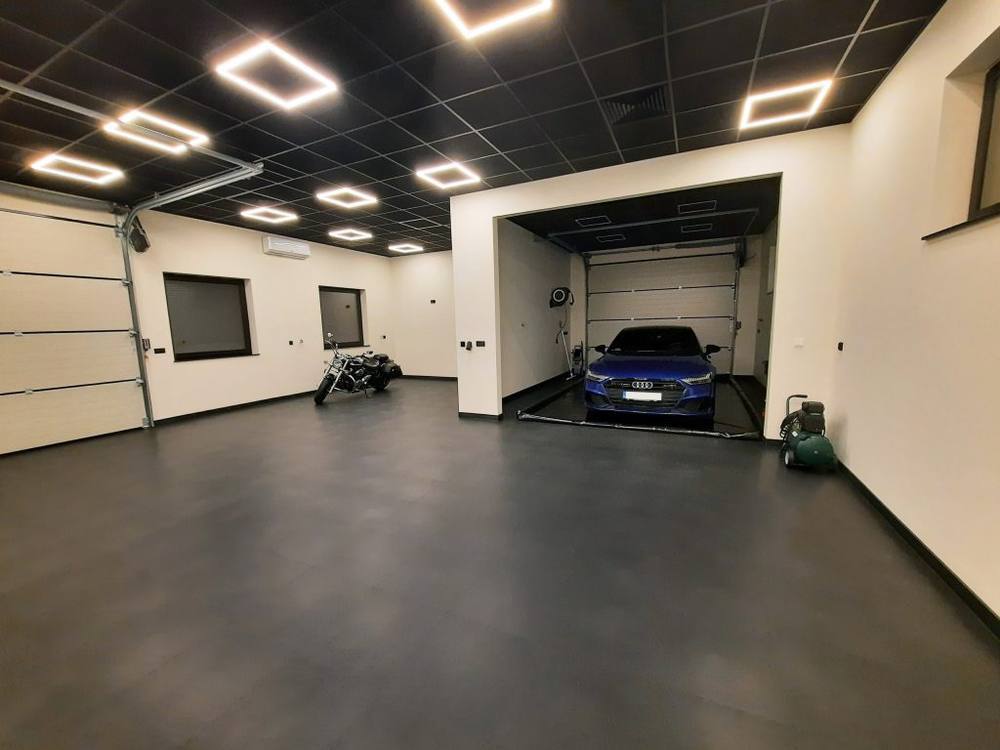
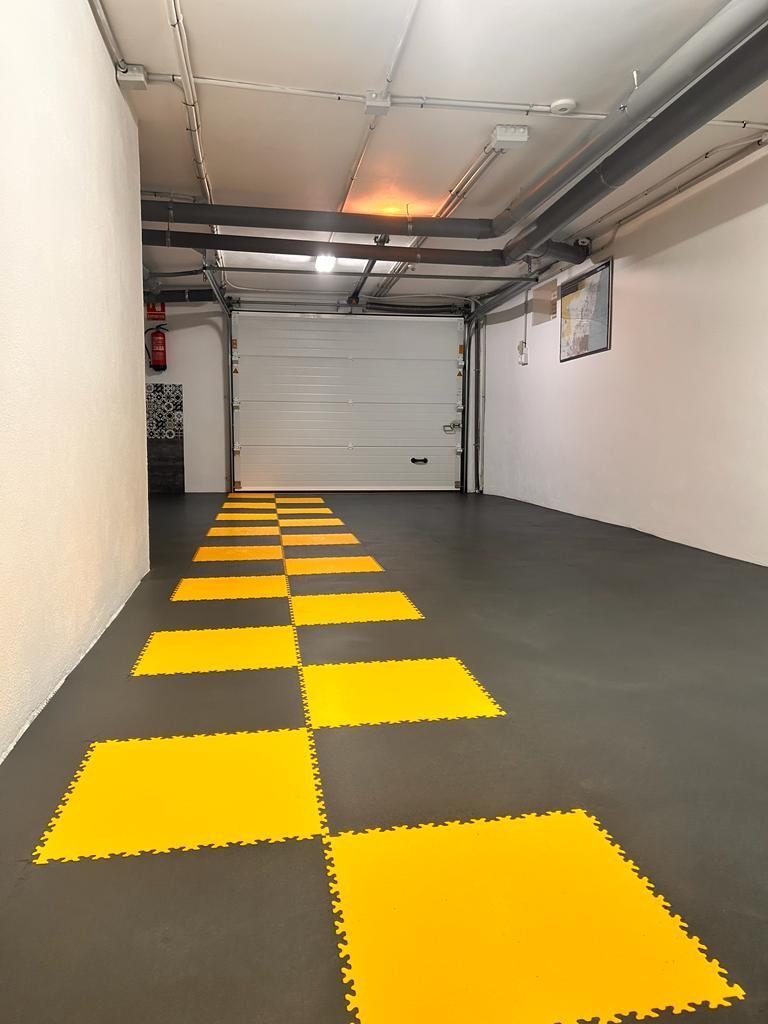
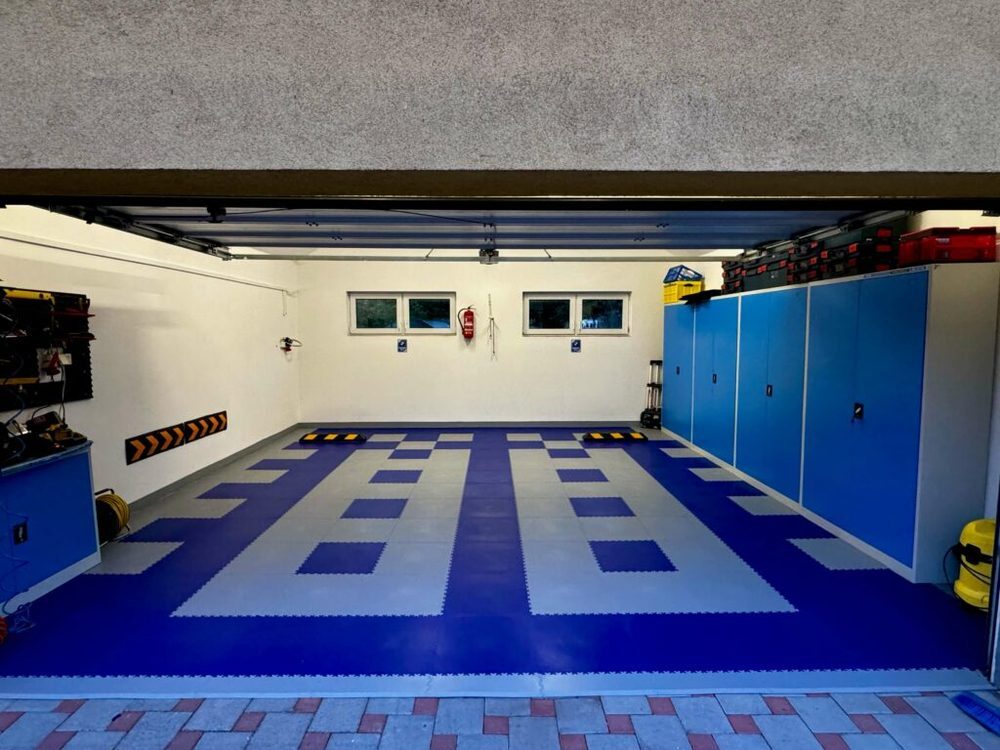
Different-colored PVC interlocking tiles can be used to visually separate parking spaces, charging zones, and work areas. This creates a garage that is both functional and aesthetically pleasing.
Water, Salt, and Dirt from the Car
Rain, snow, and road salt are part of everyday life in the garage. Especially during the winter months, moisture often accumulates under the vehicle, while dirt and salt residue remain on the floor.
Untreated concrete can absorb moisture and, if it has a porous surface, is often more difficult to clean. A suitable, low-maintenance flooring makes it easier to remove dirt on a regular basis.
Standing water should still be removed promptly, especially around the loading area.
What Types of Flooring Are Suitable for an Electric Car Garage
There are various flooring options available for garages. The most suitable solution depends on the existing subfloor, the vehicle’s weight, the desired appearance, and the amount of maintenance required.
Exposed Concrete
Concrete is already present in many garages and is therefore initially the most cost-effective solution. A well-constructed concrete floor can withstand the required loads.
However, with older surfaces, dust, cracks, and dirt can become a problem. Porous surfaces, in particular, often require significant effort to clean.
Paint on Concrete
A suitable floor paint can improve the appearance and reduce dust accumulation. However, this requires careful preparation of the subfloor.
If adhesion is insufficient or the floor is subjected to heavy use, damage and signs of wear may occur. Areas with regular vehicle traffic are particularly affected.
Epoxy Resin Coating
Epoxy resin coatings create a largely seamless and low-maintenance surface. When applied properly, they can offer high durability.
However, they require a suitable, carefully prepared substrate. The curing time must also be taken into account, as the garage may not be usable during this period.
Ceramic Tiles
Ceramic tiles offer a wide range of design options and can generally be used in garages as well.
However, it is crucial to choose the right material, ensure adequate slip resistance, and have the tiles installed properly. Individual tiles may be damaged by heavy localized loads or falling objects. The grout lines also require regular maintenance.
PVC Click Tiles
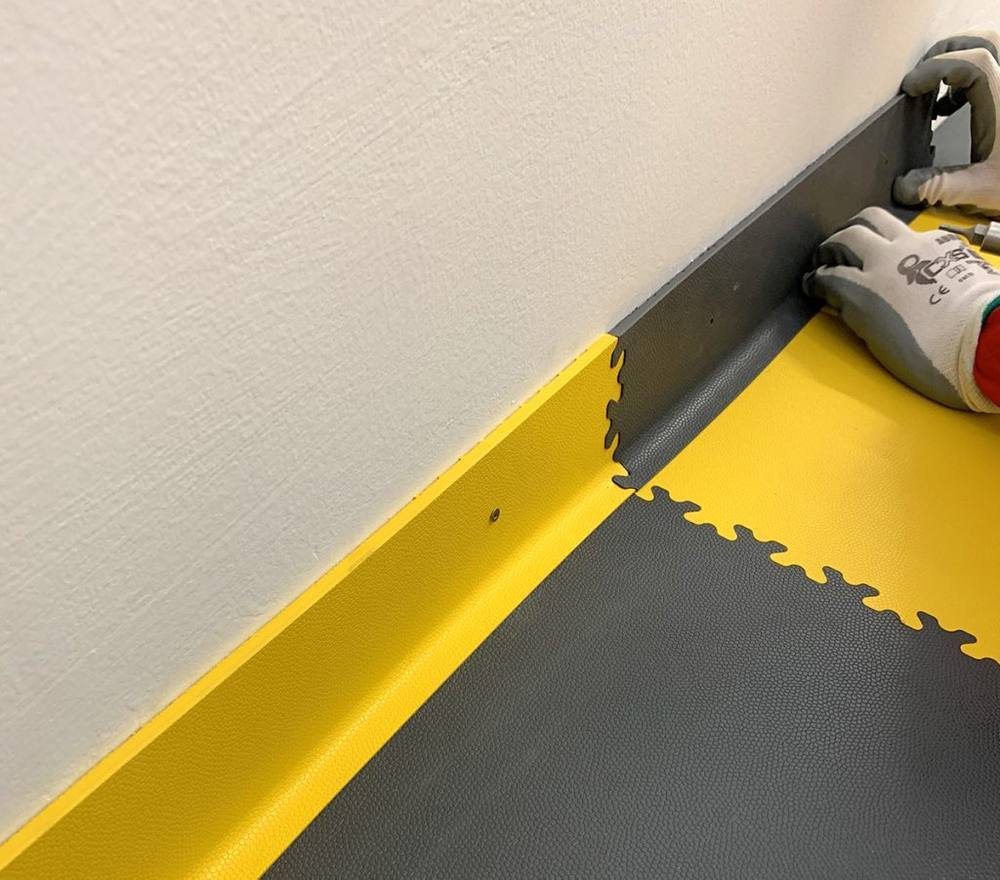
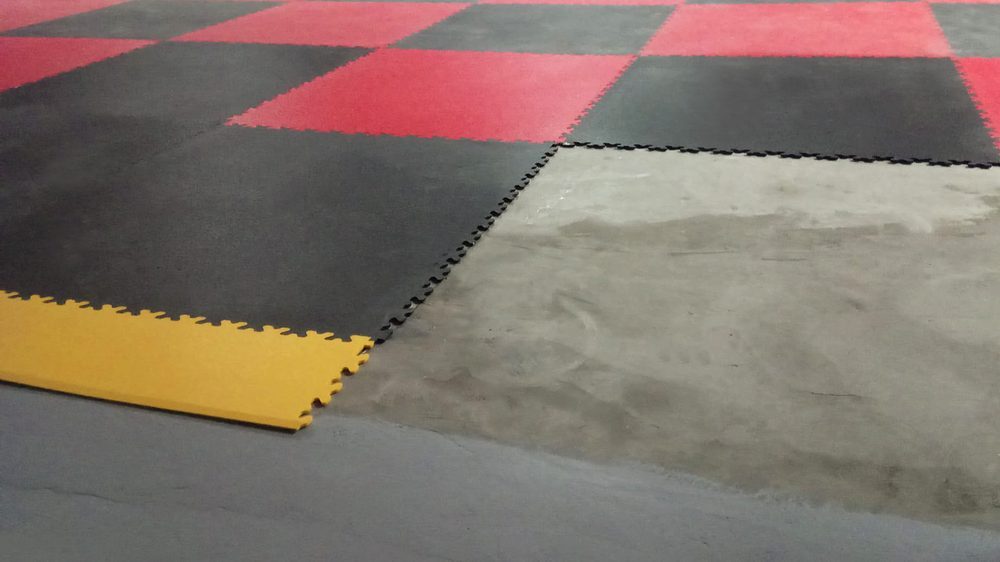
PVC click tiles are a practical alternative to traditional garage floors. Thanks to their interlocking system, the individual tiles can be connected to one another and, depending on the product, installed without needing to be glued over the entire surface.
They allow for quick redesign of the floor area and are available in various colors. Another advantage is the ability to replace damaged tiles individually as needed.
When selecting these tiles, be sure to consider the permissible vehicle loads and the installation instructions for the specific product.
Why terramondi Is a Practical Choice for Garages with Electric Cars
terramondi’s PVC click tiles allow for a functional and visually appealing garage design. Modular flooring systems offer an attractive alternative to costly coatings, especially when modernizing existing spaces.
Durability for Daily Parking
Regular parking places high stresses on the floor. That’s why it’s important to choose a PVC tile that’s suitable for the vehicle’s weight and the intended use.
In addition to the flooring’s load-bearing capacity, the condition of the subfloor also plays a crucial role. Any major damage or moisture issues should be addressed before installation.
Easier Cleaning Around the Car and Wall Box
Dust, tire debris, water, and road salt regularly accumulate in garages. Low-maintenance PVC surfaces can make everyday cleaning easier.
Many common types of dirt can be removed with suitable cleaning agents. It is especially important to keep the floor area around the wall box clean and dry.
Quick Installation Without Long Garage Downtime
PVC click tiles are relatively easy to install thanks to their interlocking system. Under suitable conditions, installation can be done in sections.
This often makes it easier to renovate a garage than with flooring solutions that require a longer drying or curing time.
Replacing a Single Tile When Damaged
In everyday garage use, individual areas can be damaged by tools, heavy objects, or heavy use.
With modular PVC click tiles, you can replace only the affected elements. This means you don’t necessarily have to replace the entire floor.
A More Organized and Presentable Garage
A garage floor doesn’t just have to be functional—it can also contribute to the room’s design.
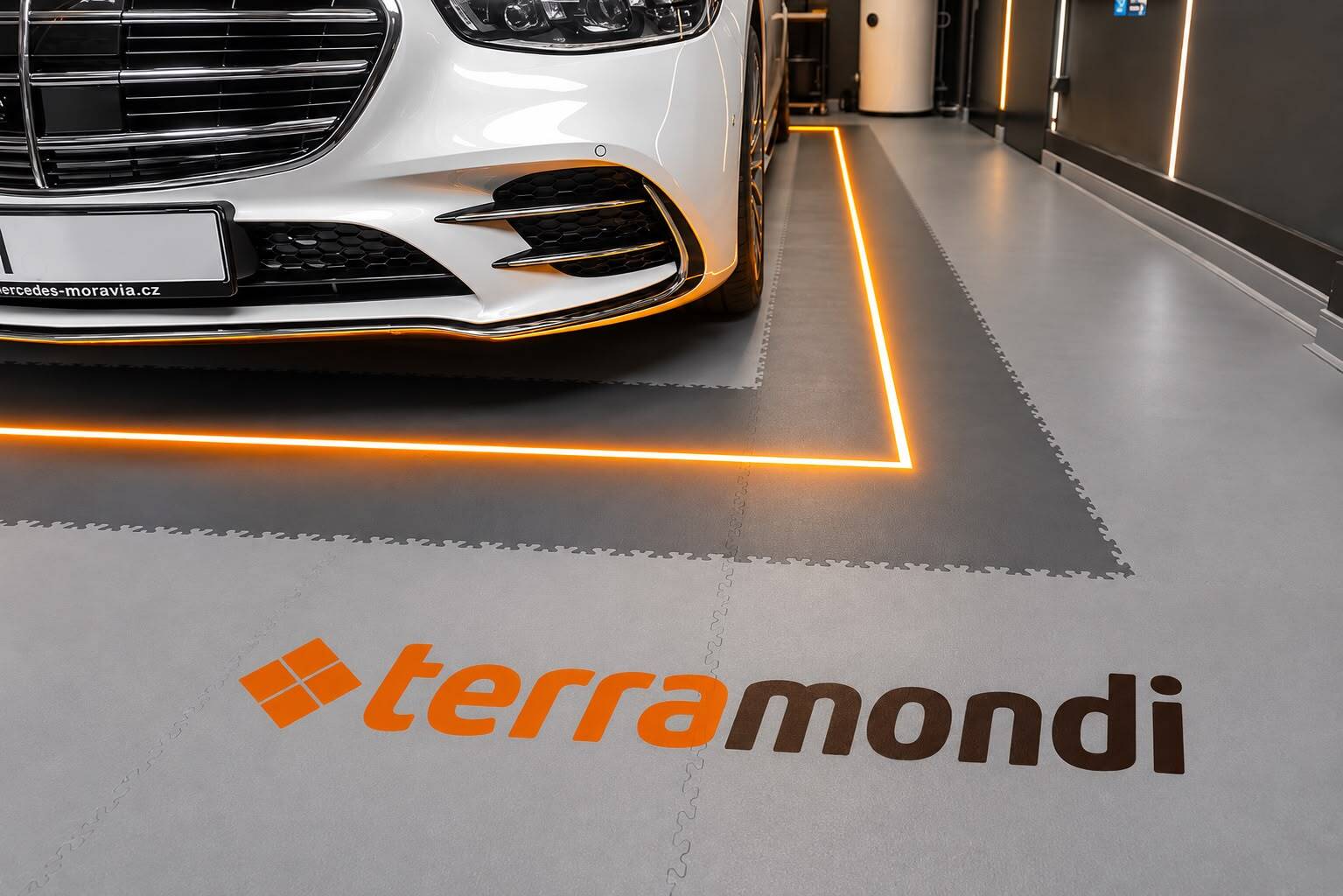
With differently colored PVC tiles from terramondi, you can create custom patterns. Parking spaces, loading areas, and walkways can be highlighted with color, resulting in a modern and well-organized garage.
Things to Consider Before Installation
Before installation, the garage should be carefully inspected and planned. In addition to the total floor area, the vehicle’s position, the charging station, and any existing fixtures must also be taken into account.
The following are particularly important:
- Subfloor: Check for stability, levelness, cracks, and potential moisture.
- Parking space: Take vehicle dimensions and areas subject to regular stress into account.
- Charging zone: Plan the position of the wall box and ensure safe routing of the charging cable.
- Edge areas: Pay attention to transitions, door thresholds, and required expansion gaps.
If moisture problems persist, the cause should be identified first. A new floor covering is no substitute for necessary waterproofing.
Specific values you should consider
When selecting PVC click tiles, the technical properties of the respective product are crucial. These include, in particular, the permissible load, the material thickness, and the requirements for the subfloor.
Necessary expansion gaps, acclimatization prior to installation, and any specifications for adhesive bonding should also be taken into account.
The specific values can be found in the technical data sheets and installation instructions for the respective terramondi floor tiles.
A Functional Floor as the Foundation for Home Charging
An electric car provides a great opportunity to enhance both the functionality and appearance of your garage. The right flooring makes maintenance easier, helps create a well-organized space, and provides a pleasant environment for daily parking and charging.
With terramondi’s PVC click tiles, you can customize your flooring without the need for extensive floor renovation.
Explore the various colors and styles and find the right flooring solution for your garage.
Frequently Asked Questions
Can a PVC floor in the garage support a heavy electric car?
That depends on the PVC tile you choose and its load-bearing capacity. For heavy vehicles, you should only use products that are suitable for the vehicle’s weight and the tire loads it generates.
Which is better for a garage: an epoxy coating or PVC flooring?
Both options have advantages. Epoxy resin offers a largely seamless surface but requires careful substrate preparation and curing time. Click-together PVC tiles can often be installed more quickly and replaced individually if necessary.
How do you install click tiles on old concrete in the garage?
First, check the concrete for strength, levelness, and moisture content. Then install the tiles according to the manufacturer’s instructions. Any major damage or unevenness must be repaired beforehand if necessary.
What should you do about snow and salt that the car brings onto the PVC floor?
Water and salt residue should be removed regularly. Clean using appropriate cleaning agents in accordance with the flooring’s care instructions. Larger pools of water should not be left standing on the surface for extended periods.